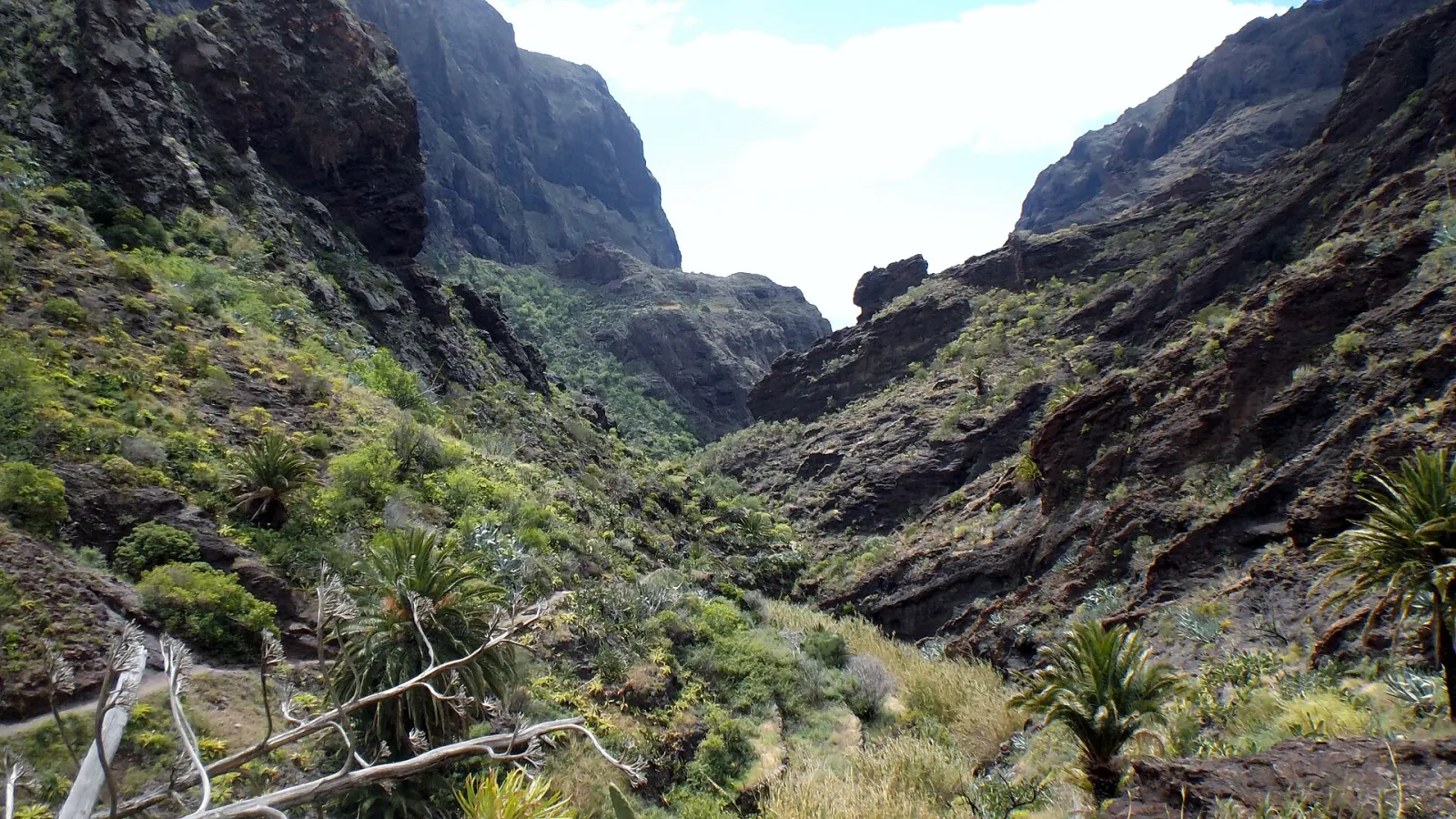
Diving at La Restinga
La Restinga · El Pinar · Mar de las Calmas, El Hierro Half day (1–2 dives)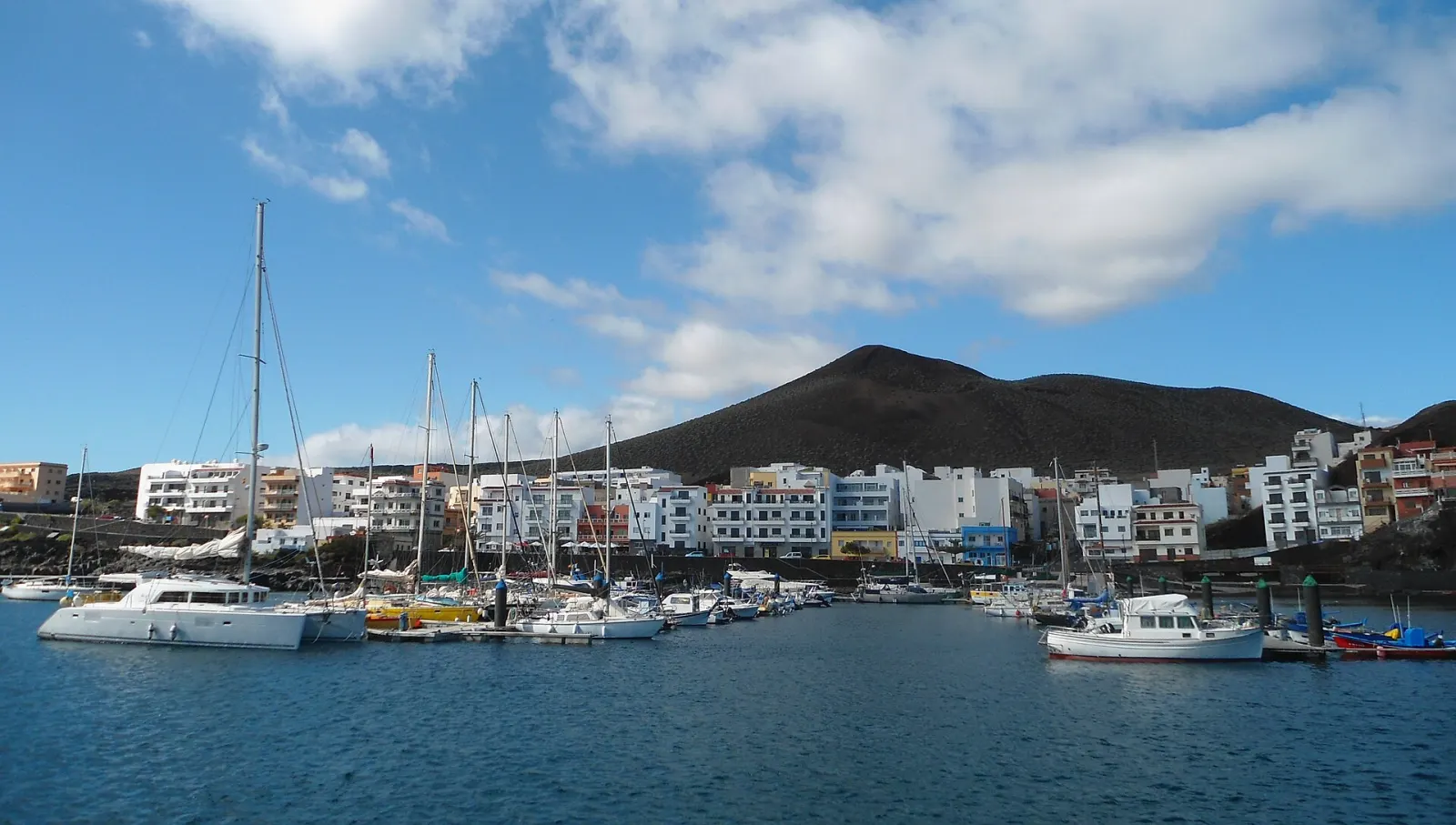
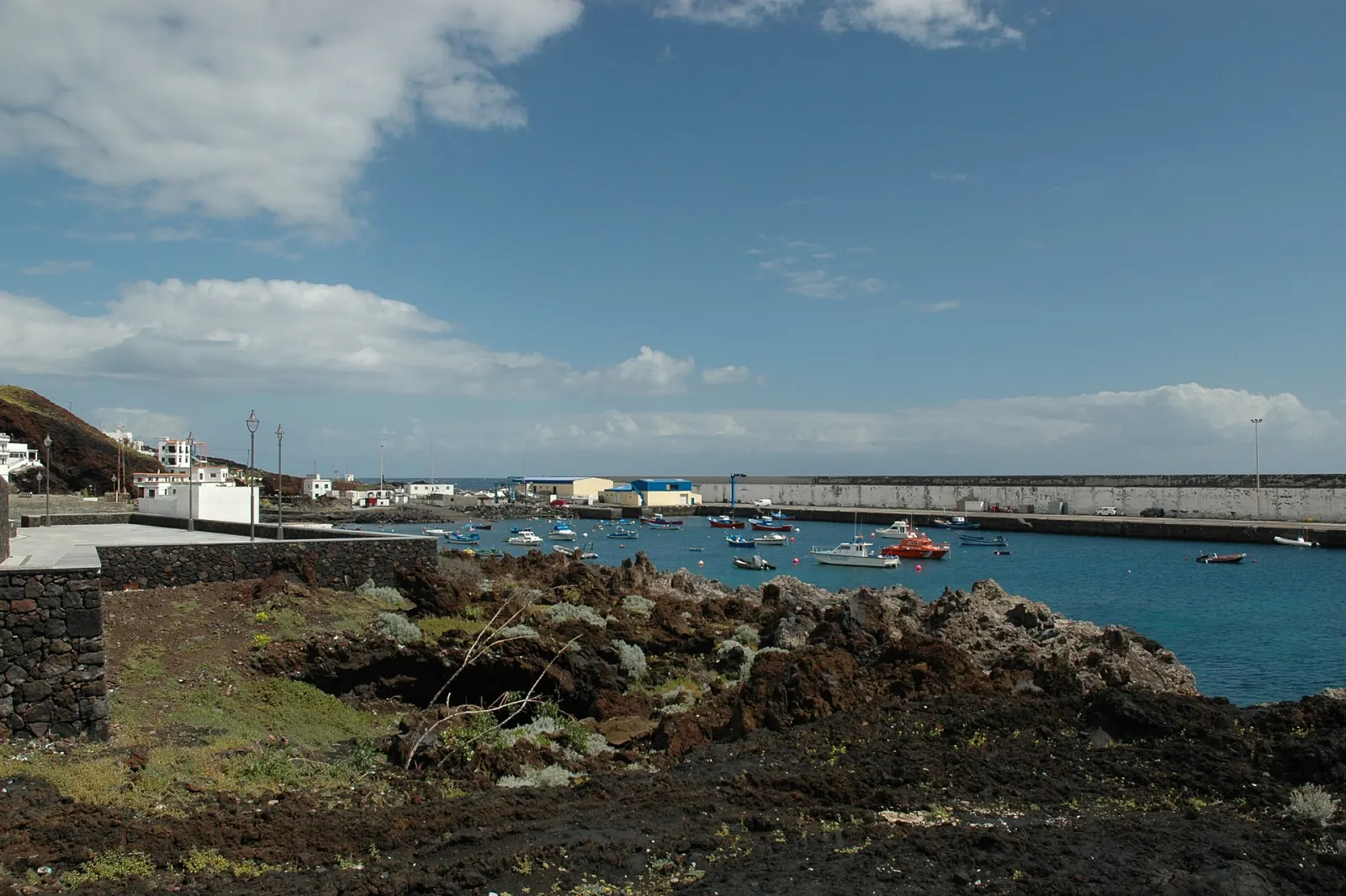
Scuba diving in the Punta de la Restinga – Mar de las Calmas marine reserve, created in 1996 off El Hierro's sheltered south-west tip: volcanic walls, caves and arches, groupers and parrotfish, and dives that need a dated permit.
Diving at La Restinga means diving the Punta de la Restinga – Mar de las Calmas marine reserve, off the southern tip of El Hierro, the westernmost Canary Island. La Restinga itself is the southernmost settlement in Spain. The reserve was created in 1996, covers about 1,180 hectares according to the fisheries ministry's fact sheet, and lies in the "Sea of Calms", sheltered from the trade winds — which is why diving here is possible on most days of the year. Scuba diving inside the reserve requires an authorisation for a specific date, usually arranged through a dive centre.
What is the Mar de las Calmas marine reserve?
Spain's Ministry of Agriculture, Fisheries and Food (MAPA) describes the reserve as a roughly four-sided area off the south-west tip of El Hierro, reaching depths of more than 300 m. It was set up at the request of the local fishing sector, after reports from the University of La Laguna and the Spanish Institute of Oceanography, to prevent overfishing in waters that stay calm enough to fish year-round. Management is shared: the State manages the outer waters and the Canary Islands government the inner waters. Recreational fishing is allowed only with a rod from the shore.
A separate proposal to declare a Mar de las Calmas Marine National Park was still listed by Spain's national parks agency as a proposal in October 2026, with its draft law having been through public consultation. Check its status before you travel, as rules may change.
What will you see underwater?
According to MAPA, the seabed is rocky and steep, with walls, caves, tunnels and pinnacles; El Bajón and Punta de los Saltos stand out. Dense algae cover reaches about 70 m deep. Invertebrates include lobsters, black and yellow corals, shrimps, anemones and sponges. Common fish include parrotfish (vieja), comber, groupers (mero and abade) and several moray eels. Ocean-going species such as the whale shark and manta ray visit the reserve, and turtles and dolphins are seen often. The waters are described as having a tropical character, with species not found elsewhere in the archipelago, including the protected spiny puffer (Chilomycterus atringa) and the El Hierro lobster (Panulirus echinatus).
Do you need a permit to dive?
Yes. In the reserve's outer waters, recreational scuba diving needs an authorisation from the ministry's Directorate-General for Sustainable Fisheries. Permits are granted to dive centres per calendar year and to private divers for one-month periods; dives are then allocated for a specific date, in strict order of application, until the quota of dives and boats is full. You must hold a diving qualification issued or recognised by a Spanish autonomous community, plus valid insurance and a medical certificate for recreational diving. Boats used for diving can be at most 10 m long. Diving in the inner waters is authorised separately by the Canary Islands government's Deputy Ministry for Fisheries.
In practice most visitors dive with a centre that already holds the annual authorisation; ask it to confirm your date is within the quota.
Where do you get information locally?
The reserve's visitor centre is on the harbour esplanade in La Restinga (tel. +34 922 557 188). The village sits next to a young volcanic landscape: in 2011–2012 a submarine eruption took place about 2 km south of La Restinga, the last eruption in Spain until La Palma's in 2021.
When is the best time to go?
The reserve's selling point is shelter, so conditions are calm on more days than on exposed coasts. MAPA notes that the most important fishery here, for tuna, runs in spring and summer. Plan for the long drive down from Valverde, and bring proof of certification and insurance.
Not a diver? The Charco Azul natural pool on El Hierro's north coast is a gentler swim. More about El Hierro.
Know before you go
- Bring your paperwork. A recognised diving qualification, valid insurance and a diving medical certificate are required.
- Confirm your dive date. Dives are allocated per date in order of request until the quota fills; ask the centre to confirm.
- Visit the reserve centre. The visitor centre on La Restinga's harbour esplanade explains the reserve (tel. +34 922 557 188).
- Fish only from the shore. Inside the reserve, recreational fishing is allowed only with a rod from land.
More things to do
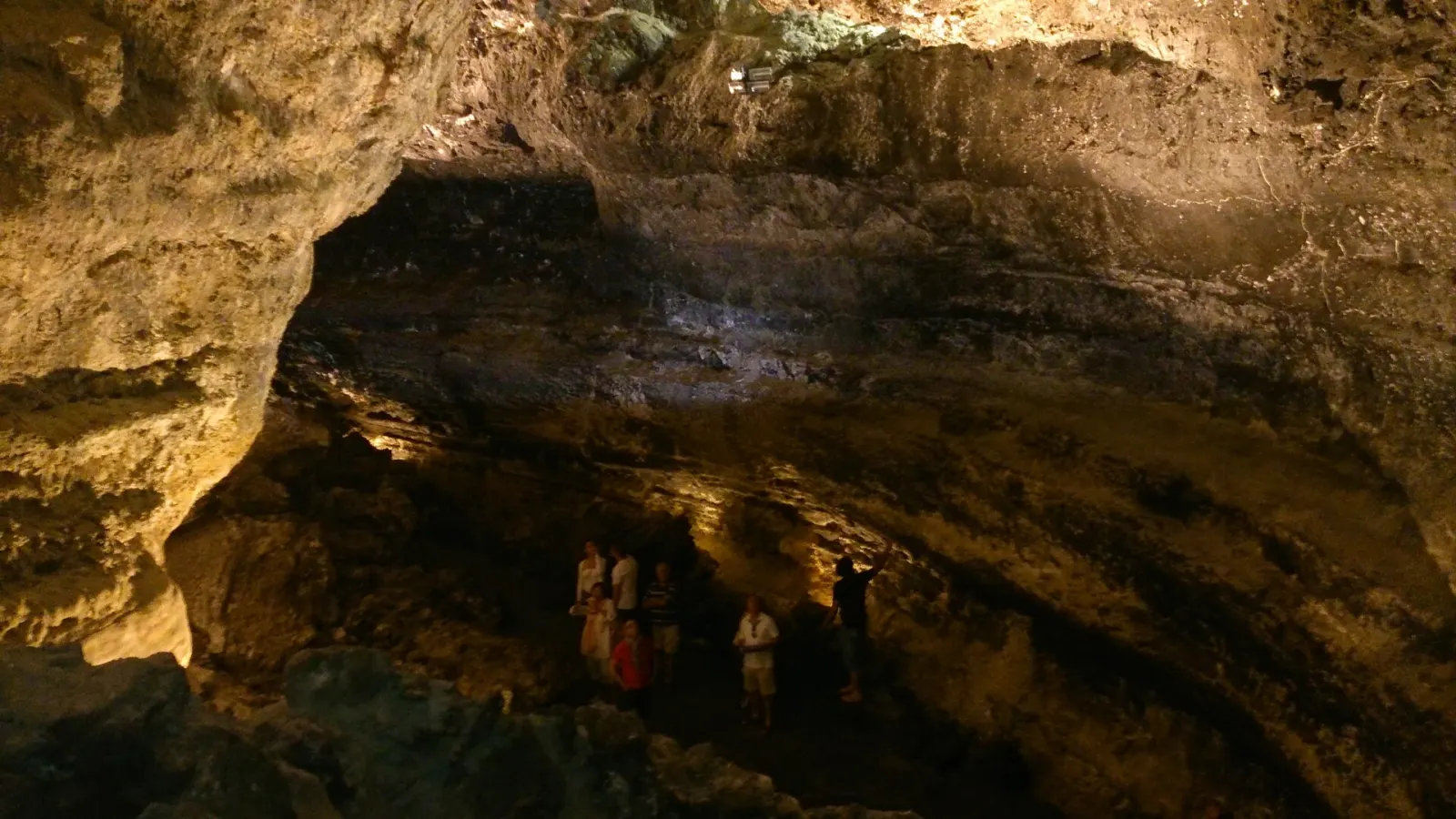
Cueva de los Verdes
Malpaís de la Corona · Haría (Arrieta–Órzola road) · Lanzarote About 50 min
Garajonay laurel forest walks
Garajonay National Park · Contadero · Raso de la Bruma · La Gomera 40 min to 7 h depending on route