
 Hotels
La Laguna, Tenerife
The largest and most populated Canary Island, crowned by Teide (3,715 m), Spain's highest peak. It combines a volcanic national park and a historic university town, both on the UNESCO World Heritage List, with sunny southern resorts and a greener, cooler north.
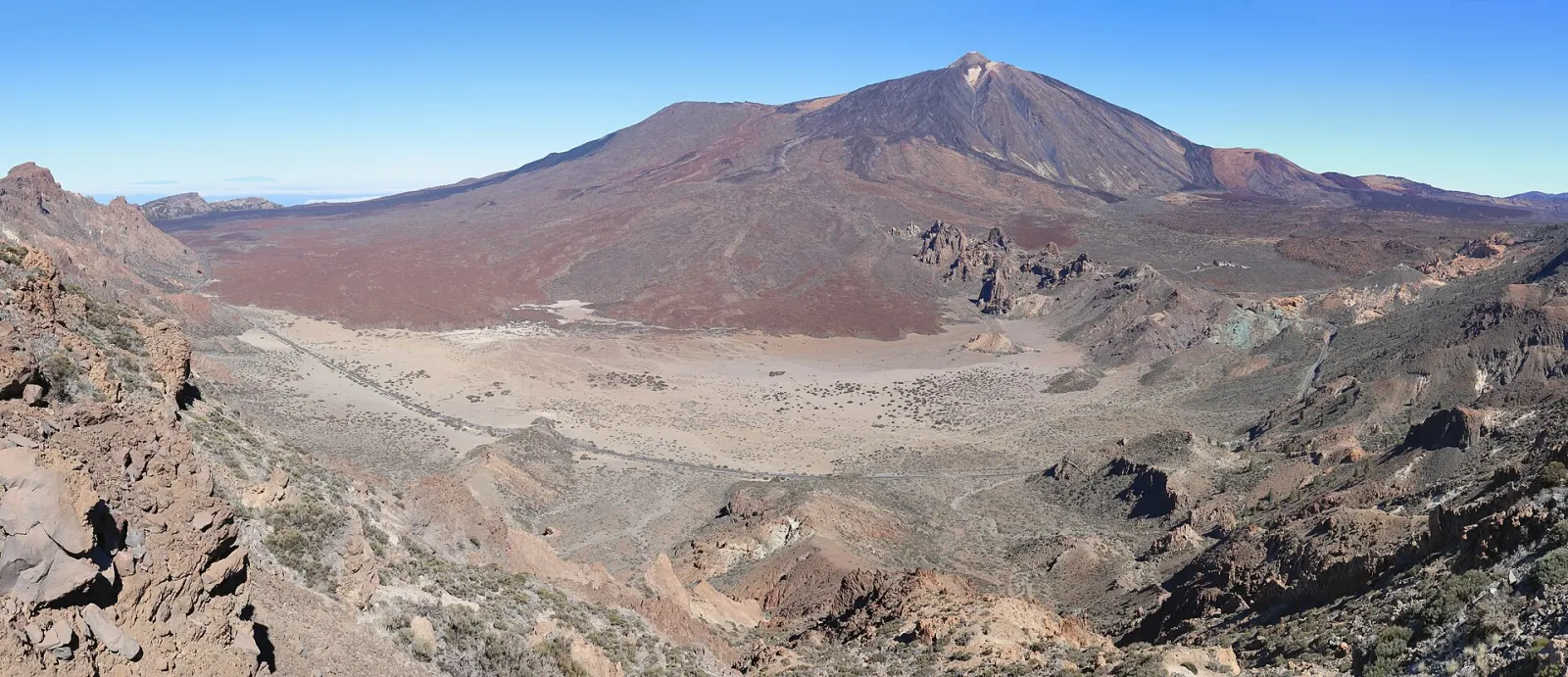
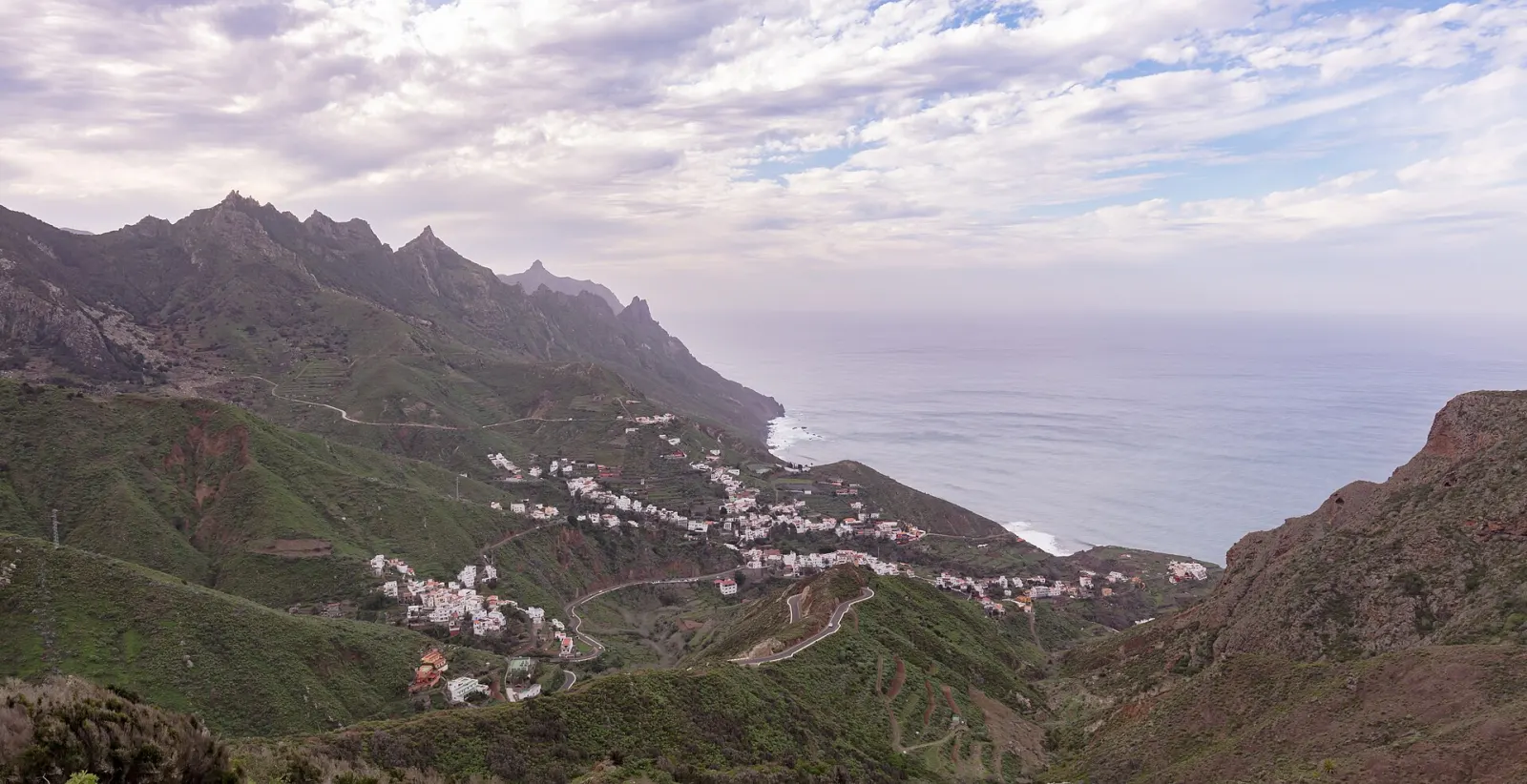
Tenerife is the largest of the Canary Islands (2,034 km²) and the most populated, with 961,745 residents on 1 January 2025 according to Spain's official census figures. Its centre is the Teide volcano, at 3,715 m the highest point in Spain, and it is the only island with two UNESCO World Heritage Sites. Go for high-altitude volcanic scenery, laurel-forest hiking in Anaga, a lively capital and the best ferry links to La Gomera, La Palma and El Hierro.
Height is the key. Teide rises from the middle of the island, so within an hour's drive you can move from a beach at sea level to a volcanic plateau above 2,000 m, where temperatures, wind and even winter snow behave nothing like the coast. The north-east trade winds also split the island in two: the northern slopes catch cloud and are greener, while the south and west are drier and sunnier. That contrast explains why most large resorts sit in the south and why many visitors are surprised by how cool and cloudy Puerto de la Cruz or La Laguna can be on the same day.
Tenerife is also the most connected island. Its two airports, Tenerife Norte–Ciudad de La Laguna (TFN) and Tenerife Sur (TFS), carry domestic and international flights, and the port of Los Cristianos is the main jumping-off point for ferries to the western islands.
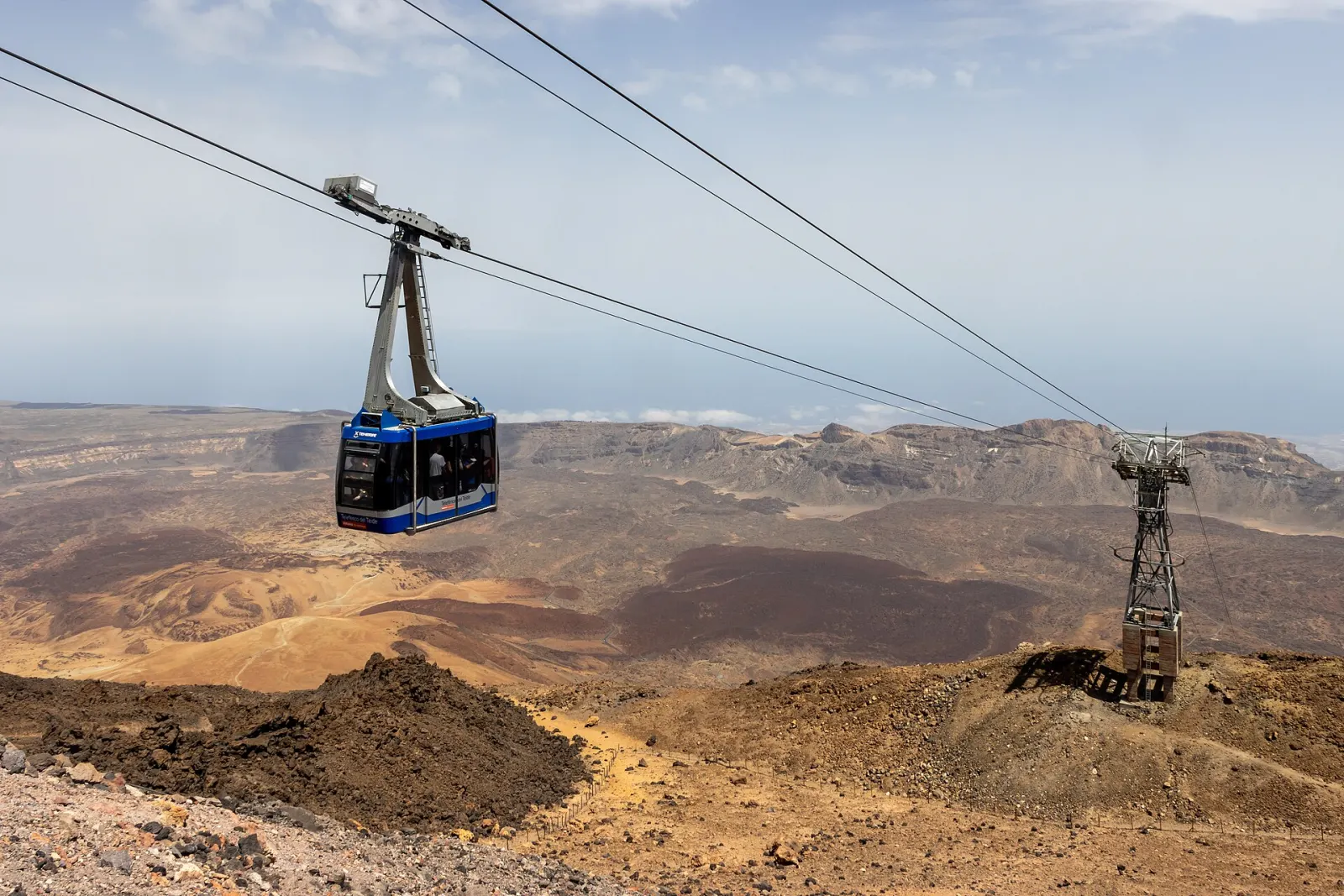
The summit is 3,715 m above sea level. A cable car climbs to La Rambleta, about 3,555 m, from where two short trails lead to viewpoints. The final path to the crater rim (trail no. 10, Telesforo Bravo) needs advance booking through the Cabildo de Tenerife's Tenerife ON platform; slots for some seasons sell out weeks ahead, so check conditions and any fee there before planning around it.
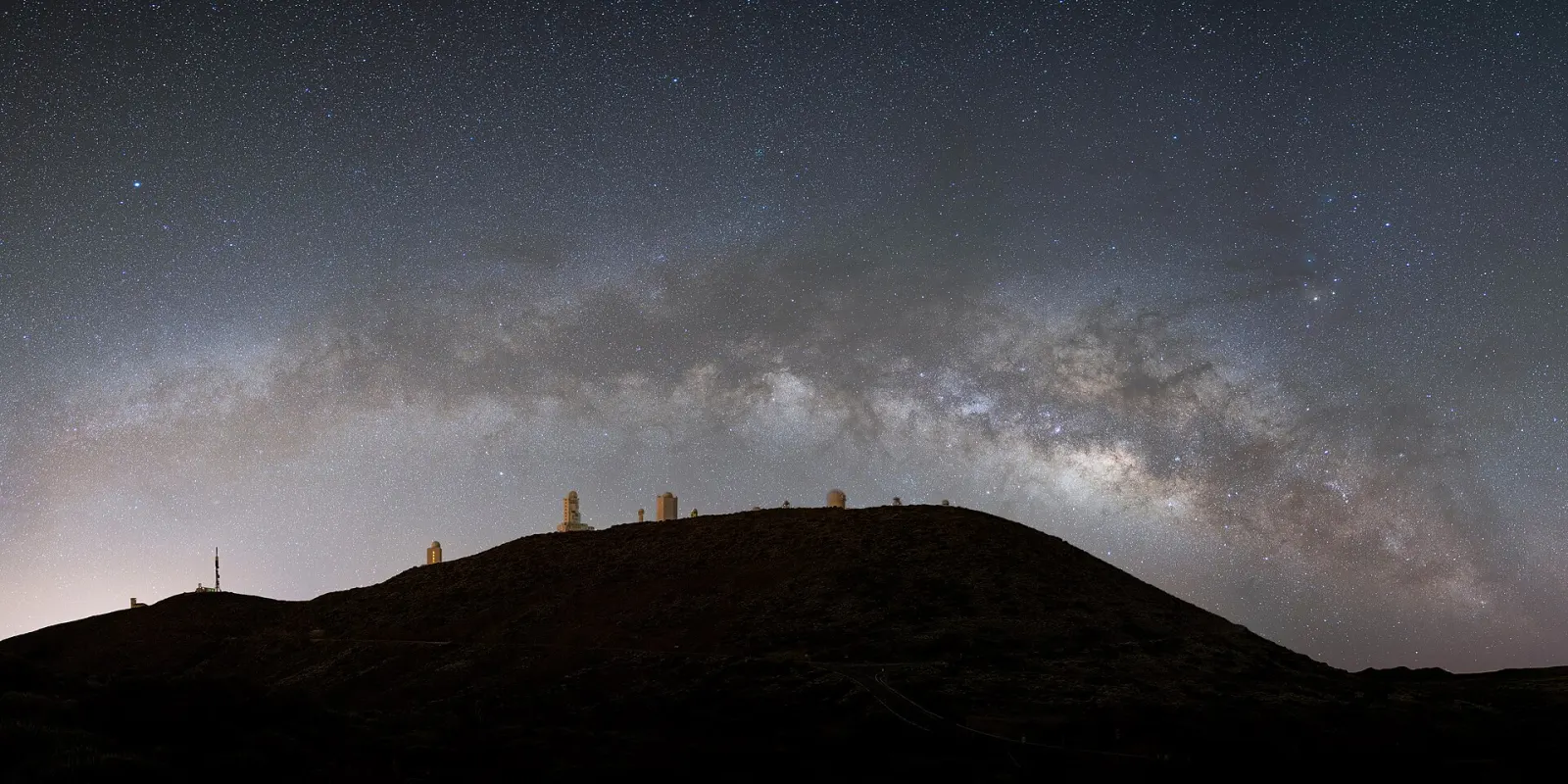
What people misjudge most is the altitude. At over 3,000 m, the air is thin enough to cause headaches and breathlessness, and the national park describes strong day–night temperature swings, intense winds and occasional winter snow. Bring warm layers even in summer, sun protection, and water. Roads into the park can close after snowfall. The same clear, dry air is why the park is a classic place for stargazing.
The south (Costa Adeje, Los Cristianos, Playa de las Américas) has the most hotels, beaches and sunshine, and is closest to Tenerife Sur airport and the ferries. The north (Puerto de la Cruz, La Orotava, La Laguna, Santa Cruz) has more historic towns, local life and green landscapes, but more cloud. Many visitors split a week between the two. The west coast around Los Gigantes is quieter and faces the Los Gigantes cliffs, which drop several hundred metres into the sea.
Hiring a car is the most flexible option, especially for Teide, Teno and Anaga, where mountain roads are slow. The public bus network is run by TITSA and links the airports, main towns and resorts. The TF-1 motorway runs along the south and east coasts and the TF-5 along the north, so Santa Cruz to Costa Adeje is a straightforward drive outside rush hour.
The coast is mild all year, which is why winter is high season. Spring and autumn are good for hiking, with fewer crowds. In summer the south is hot and the mountains are best early in the day. Occasional episodes of calima (Saharan dust) reduce visibility and air quality; on those days, high viewpoints lose much of their appeal. For month-by-month detail, see our Canary Islands weather guide, and if you are still choosing an island, read which Canary Island is right for you.
Forecast for Costa Adeje
Pick the area first — it shapes the whole trip.
Hotels
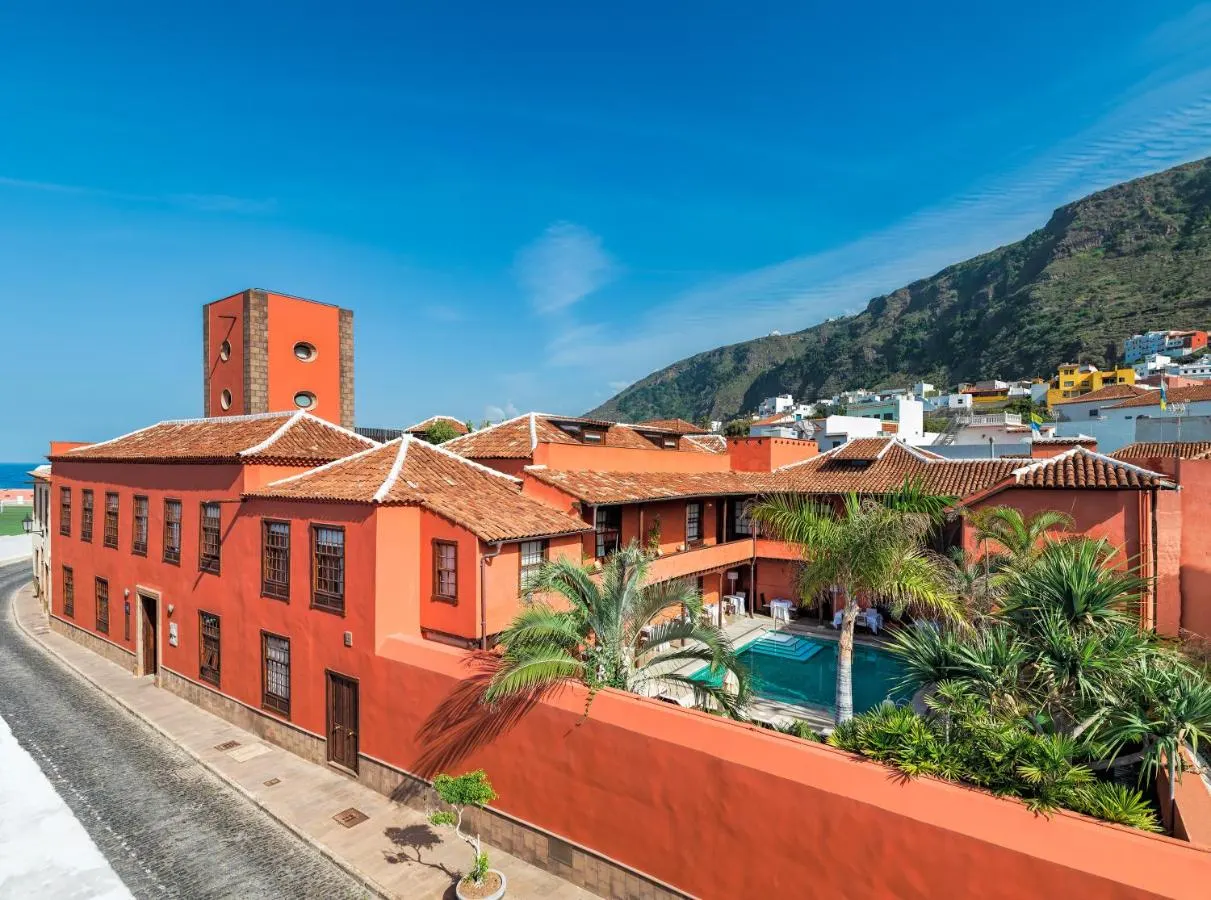 Boutique hotels
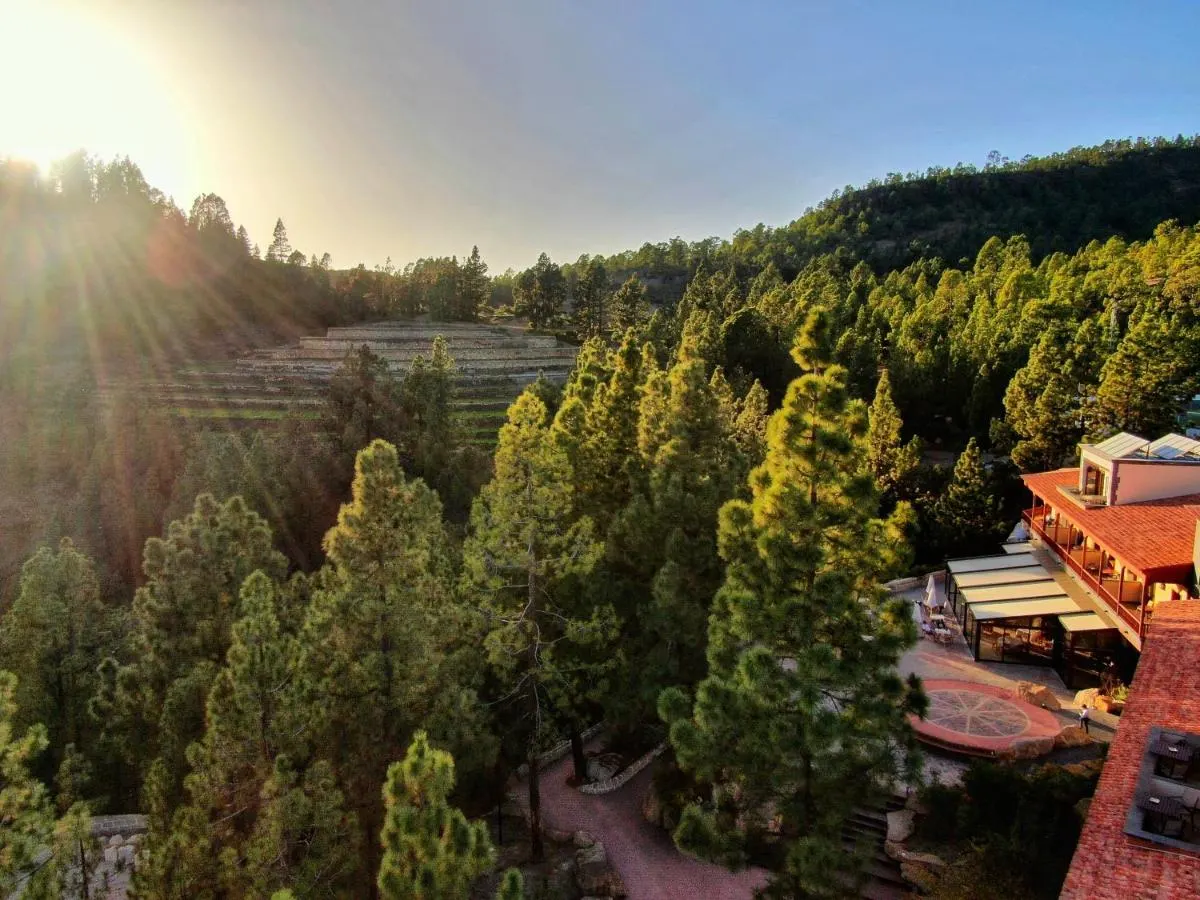 Hotels · Adults only
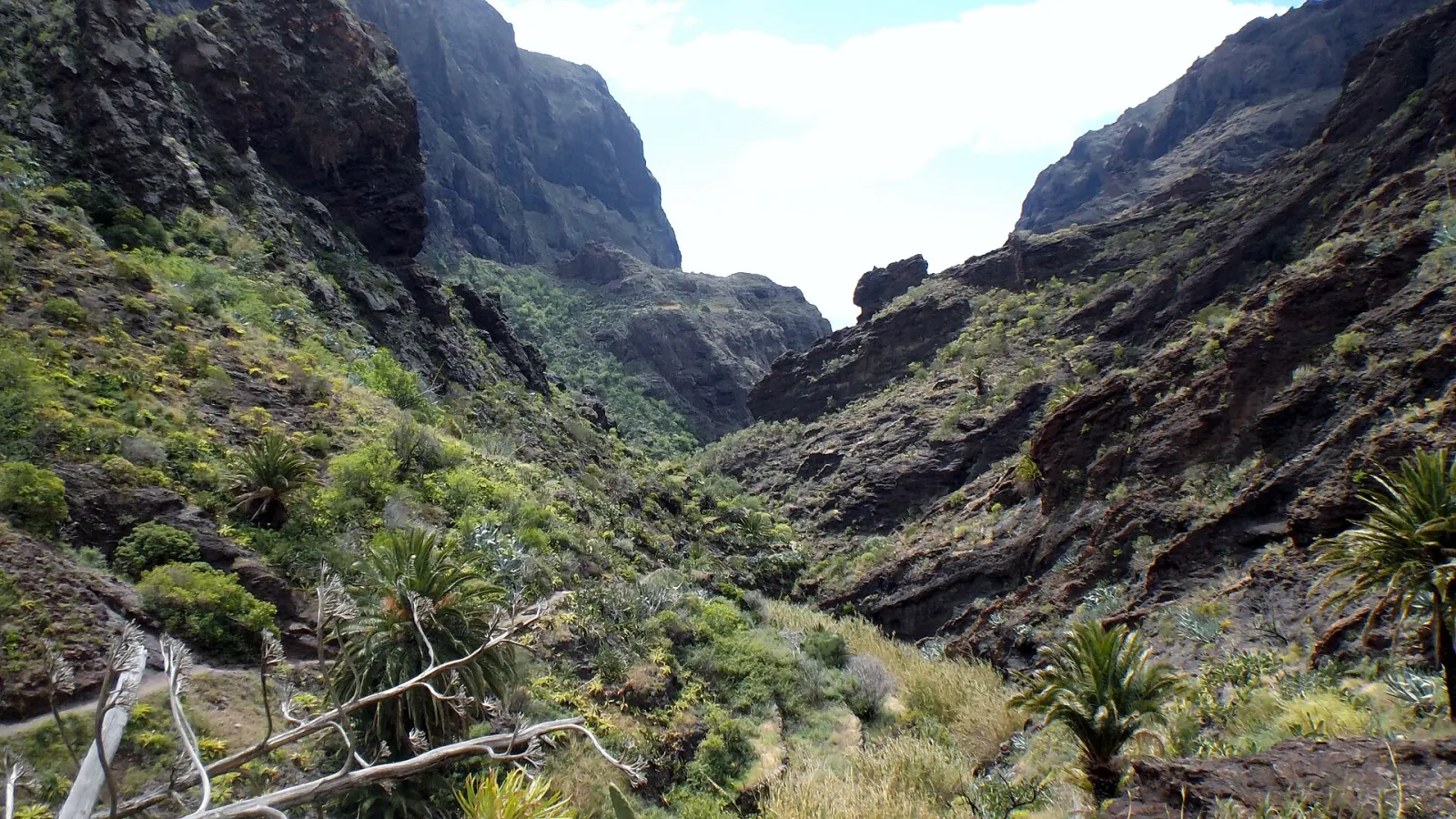
Airports: TFN · TFS
By air: Tenerife has two airports. Tenerife Sur (TFS) in the south handles most holiday flights; Tenerife Norte–Ciudad de La Laguna (TFN) near La Laguna handles many inter-island and domestic flights.
By ferry: Fred. Olsen Express sails from Los Cristianos to San Sebastián de La Gomera (about 50 min), Santa Cruz de La Palma (about 2 h 30 min) and El Hierro (about 2 h 20 min), and from Santa Cruz de Tenerife to Agaete on Gran Canaria (about 80 min). Naviera Armas also links Los Cristianos with La Gomera and Santa Cruz de Tenerife with Gran Canaria. Times are the operators' published crossing times; check current timetables before travelling.