La Laguna Old Town
Tenerife · 550 m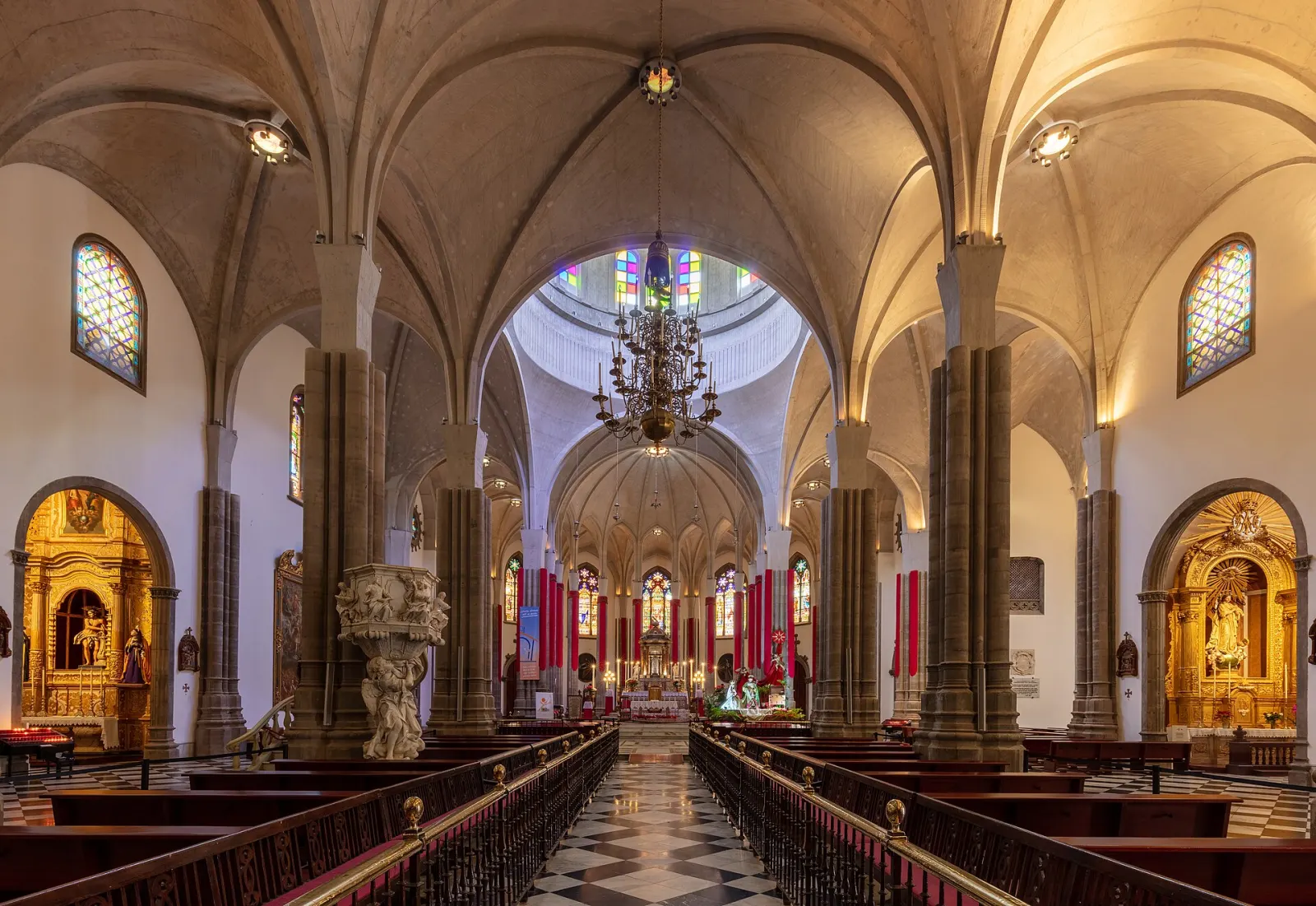
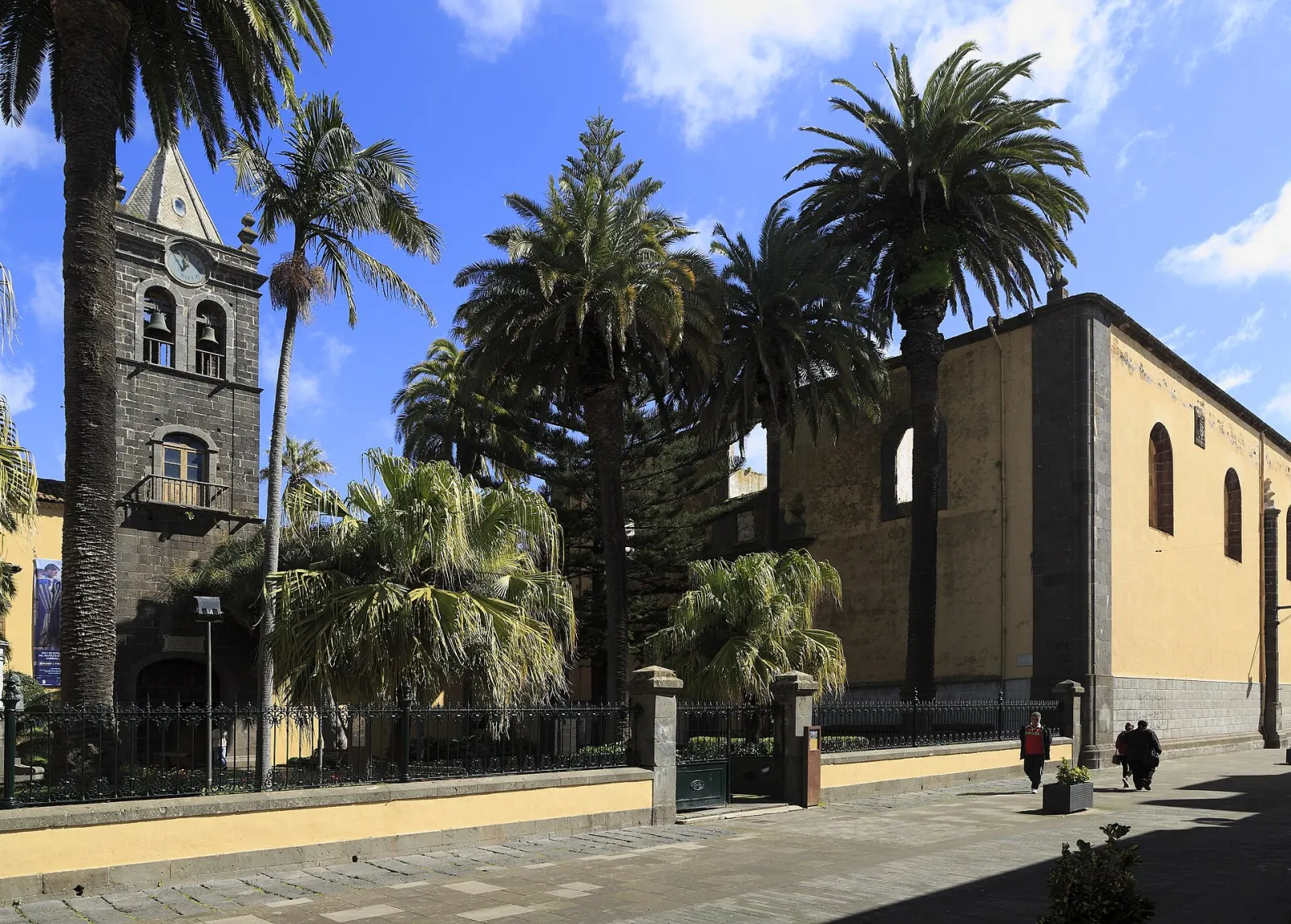
The historic centre of San Cristóbal de La Laguna, founded in 1496 and a UNESCO World Heritage Site since 1999, whose unwalled grid plan became a model for colonial towns in the Americas.
San Cristóbal de La Laguna, a few kilometres inland from Santa Cruz at about 550 m, was founded in 1496 by Alonso Fernández de Lugo. UNESCO inscribed its historic centre in 1999 because it is the first example of an unfortified colonial town laid out on a grid, a direct precursor of the towns Spain later built in the Americas. Today it is a living university city rather than a museum piece: shops, offices and students fill the same streets.
Why is La Laguna a World Heritage Site?
The old town has two original cores. The Upper Town (Villa de Arriba), the first settlement beside the former lagoon that gave the city its name, grew without a plan. The Lower Town (Villa de Abajo), laid out from the early 1500s, follows a regular grid that UNESCO describes as the first ideal "city-territory" designed according to philosophical principles. That model of open, wall-less streets meeting at right angles was then exported across the Atlantic. The municipality's tourism office stresses the other half of the story: the historic centre is still in everyday use, with its commerce, public services and cultural life.
What should you see in the old town?
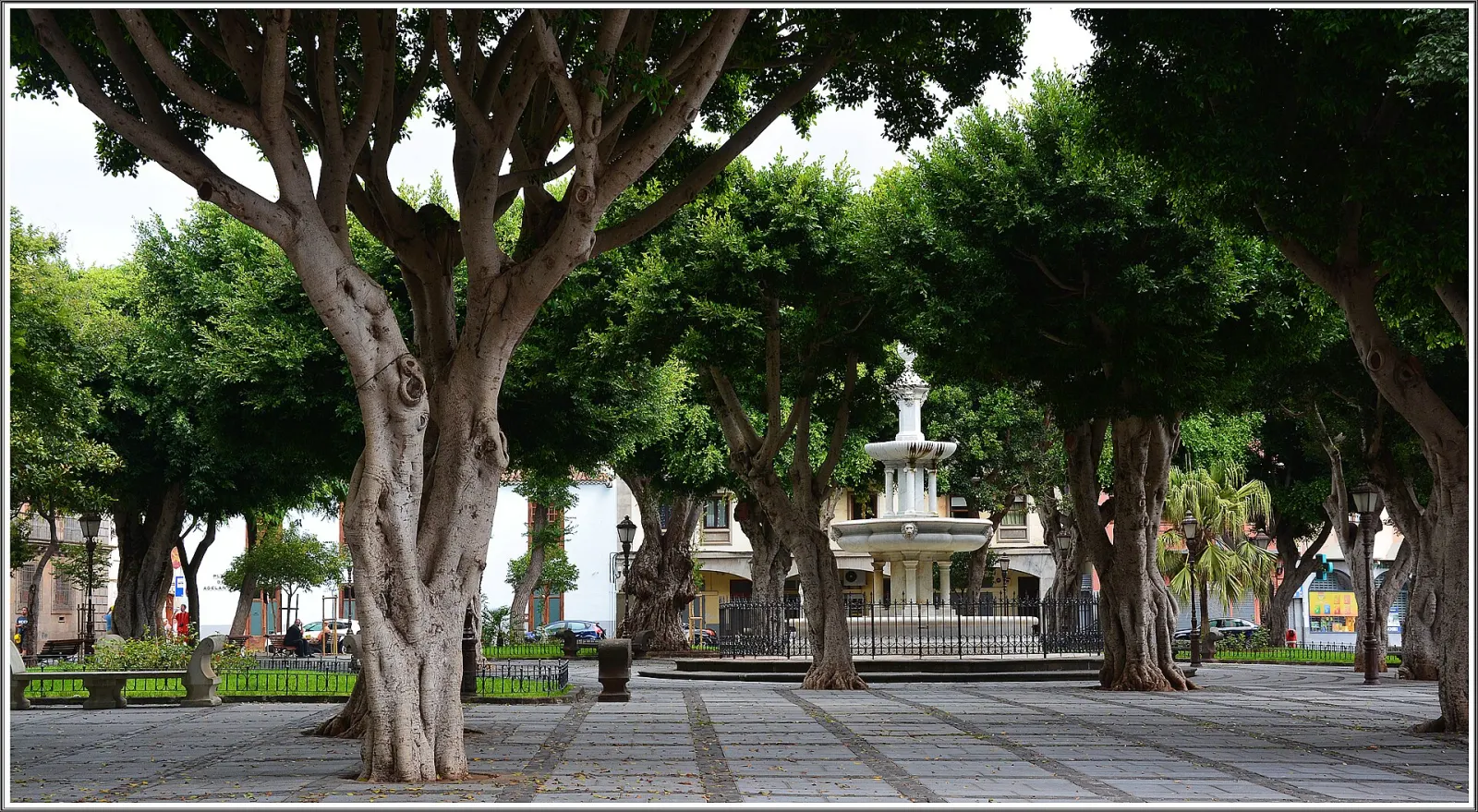
Start at the Cathedral of Nuestra Señora de los Remedios, with its neoclassical façade and dome, and the Iglesia de la Concepción, the first parish church founded on the island. Between them, pedestrian streets such as Calle San Agustín and La Carrera (Obispo Rey Redondo) are lined with mansions with wooden balconies and inner patios, convents and civic buildings; the Plaza del Adelantado, shaded by large trees, is one of its main squares. The University of La Laguna, the first in the Canary Islands, gives the town its young population.
How can you visit with a guide?
The city's tourism office runs free guided walks of the historic centre that can be booked online, as well as themed routes. The main tourist office is in the Casa Alvarado Bracamonte (Casa de los Capitanes Generales) at Calle La Carrera 5, open Monday to Friday, 9:00–16:30, except public holidays.
When is the best time to go?
Weekday mornings let you see the streets at their most local, and the town is compact enough to walk in two or three hours. At about 550 m it can feel cooler and greyer than the coast on the same day, so bring a light layer.
What is nearby?
La Laguna is the gateway to Anaga Rural Park: the TF-12 to Cruz del Carmen starts at the edge of town, and TITSA lines 076 and 077 leave from the La Laguna bus station. Santa Cruz is close by for the Carnival of Santa Cruz de Tenerife. For the rest of the island, see our Tenerife guide.
Don’t miss
Know before you go
- Book the free walking tour. The municipal tourism office offers free guided walks of the historic centre, bookable online.
- Use the tram or bus. Tram line 1 and TITSA lines 014 and 015 link Santa Cruz and La Laguna.
- Bring a layer. At about 550 m the town is often cooler than the coast.
Getting there
La Laguna sits just above Santa Cruz de Tenerife on the TF-5 northern motorway. From Santa Cruz, the Metropolitano de Tenerife tram (line 1) climbs to La Laguna, and TITSA buses 014 (via La Cuesta) and 015 (direct, via the TF-5) run from the Santa Cruz bus station to the La Laguna bus station. The historic centre is largely pedestrianised, so if you drive, leave the car in one of the car parks on its edge.