
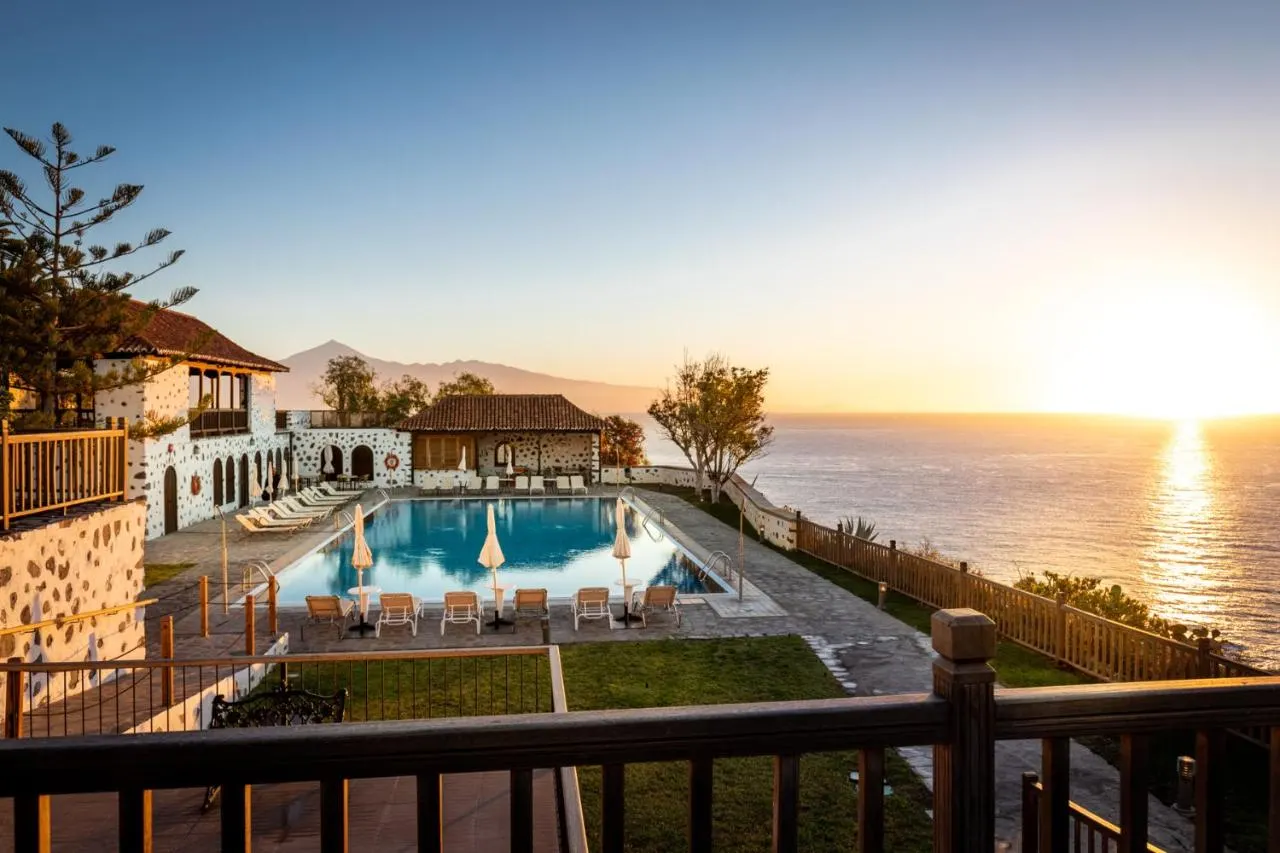
 Hotels
San Sebastián de La Gomera, La Gomera
A small, round island of steep ravines 50 minutes by ferry from Tenerife, La Gomera is crowned by Garajonay National Park, a UNESCO World Heritage laurel forest since 1986. It is the home of Silbo Gomero, the whistled language on UNESCO's intangible heritage list, and a classic walking destination.
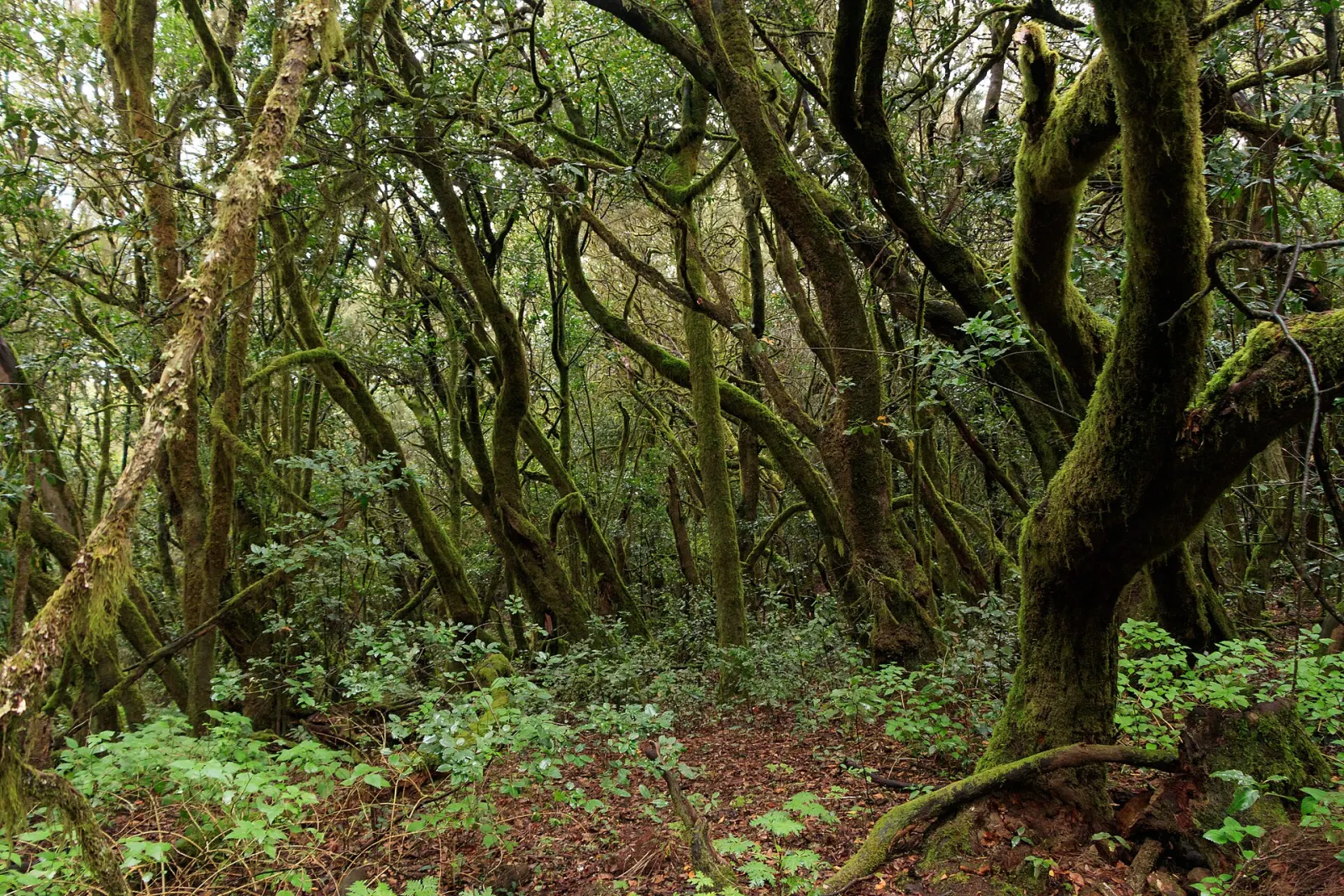
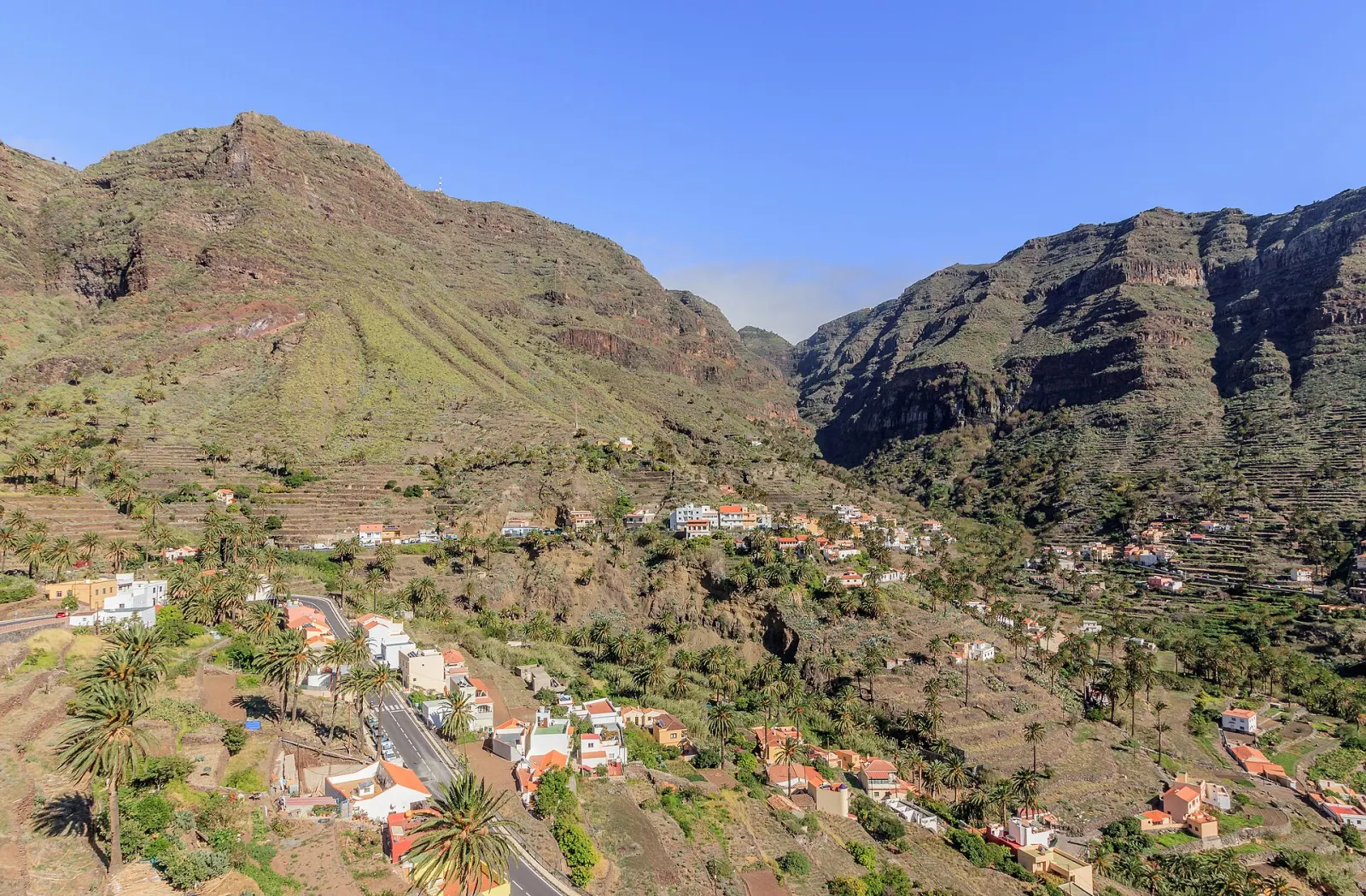
La Gomera is a compact, almost circular island of 370 km² west of Tenerife, home to 22,442 people on 1 January 2025. From a central plateau topped by Garajonay (1,487 m), deep ravines fall to the sea, separated by sharp ridges, terraced slopes and palm groves. Go for some of the best walking in the Canary Islands, an ancient laurel forest protected as a UNESCO World Heritage Site, a slow pace of life and an easy ferry connection from southern Tenerife.
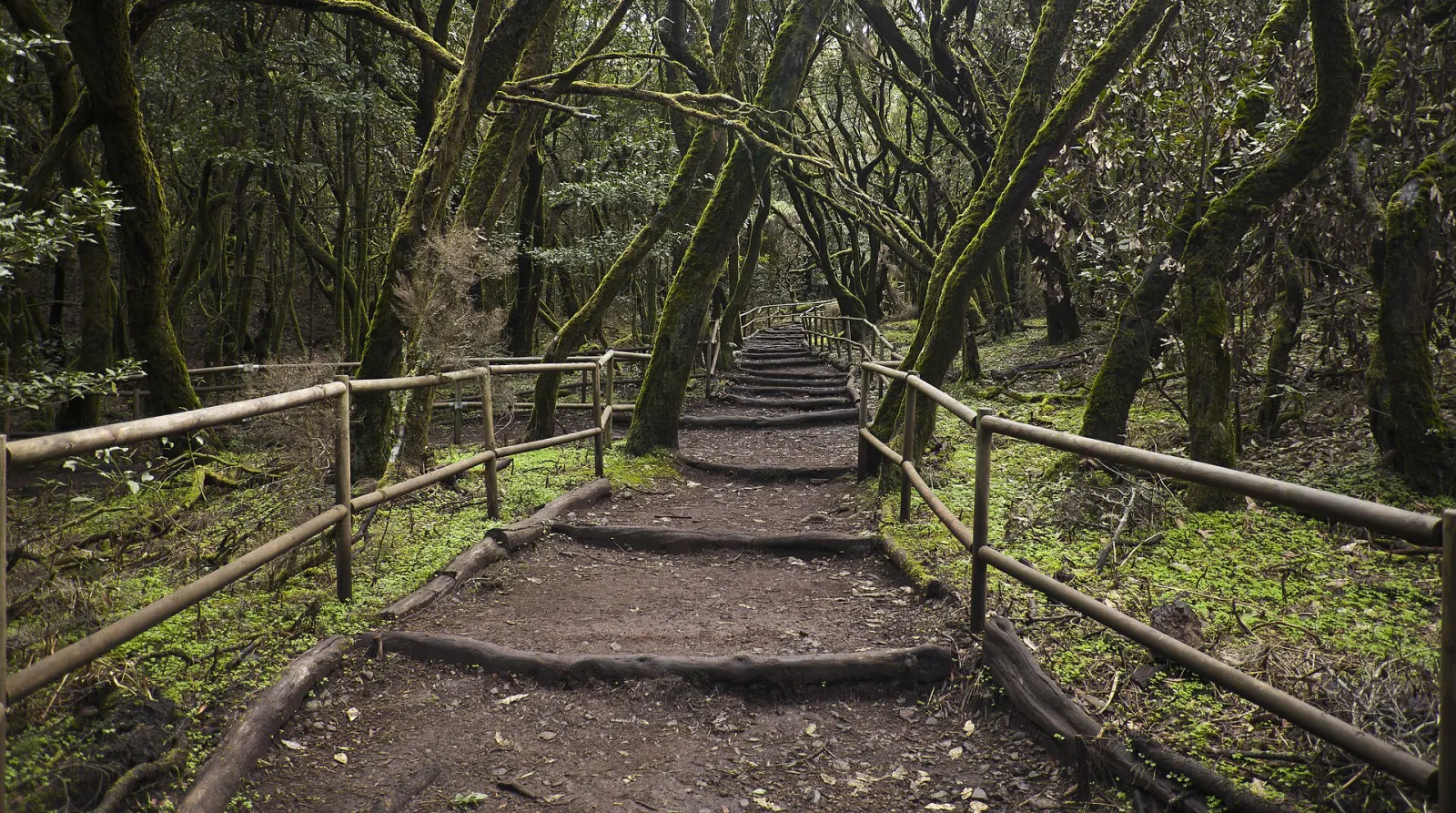
Garajonay National Park was declared in 1981 and inscribed on the UNESCO World Heritage List in 1986. It covers about 3,984 ha of the island's summit and protects one of the best-preserved examples of laurel forest (laurisilva), a humid evergreen woodland that was once widespread in southern Europe and survives in the Atlantic islands. The trade winds push cloud against the forest, and the moisture that condenses on leaves and moss keeps it green even when little rain falls. The whole island has also been a UNESCO Biosphere Reserve since 2012.
For visitors, this means paths that are often wet and misty, cool temperatures at altitude and changing visibility. A walk through the laurel forest is the best way to see it; several short and medium routes start from the park's car parks and visitor centre. The park is crossed by 18 footpaths, so it is easy to choose a route by length and difficulty. In August 2012 a forest fire burned 747 ha, about 18% of the park; the burned areas are regenerating slowly, which is one reason fire rules are strict; check the park's current rules before your visit.
Silbo Gomero is a whistled form of Spanish that islanders traditionally used to communicate across ravines. UNESCO inscribed it on the Representative List of the Intangible Cultural Heritage of Humanity in 2009, and it has been a compulsory subject in La Gomera's schools since 1999. Visitors can sometimes hear demonstrations at cultural venues and restaurants; the island's visitor centres explain how it works.
Distances look short on the map but roads are steep, winding and slow: driving from San Sebastián to Valle Gran Rey across the island takes much longer than the distance suggests. A car is the most flexible way to explore. Buses link the main villages but are infrequent, so plan walks around their timetables. Fred. Olsen also runs coastal boat routes between San Sebastián, Playa de Santiago and Valle Gran Rey, an alternative to the mountain roads.
It is possible, as the ferry from Los Cristianos takes about 50 minutes, and many visitors do it with a hire car or an organised excursion. But a day trip only allows a quick look at Garajonay and one or two viewpoints. Two nights or more let you walk a ravine, visit the north and see the island once the day-trippers have left.
The coast is mild all year, and Valle Gran Rey is warm and sunny even in winter. Spring and autumn are ideal for walking. In winter the forest is cooler and wetter, with more cloud; in summer, high fire risk can lead to restrictions in the mountains, so check official notices. Plan ferry crossings with some flexibility, as Atlantic swell occasionally affects sailings. For the other western islands, see La Palma and El Hierro, or start from Tenerife.
Forecast for San Sebastián de La Gomera
Pick the area first — it shapes the whole trip.
Hotels
Airports: GMZ
By air: La Gomera Airport (GMZ) is in the south, near Playa de Santiago, with mainly inter-island flights.
By ferry: most visitors arrive by sea. Fred. Olsen Express and Naviera Armas sail Los Cristianos (Tenerife)–San Sebastián de La Gomera (about 50 min with Fred. Olsen). Fred. Olsen also lists a Gran Canaria–La Gomera route (about 2 h 10 min) and coastal links from San Sebastián to Playa de Santiago (about 30 min) and Valle Gran Rey (about 70 min). Check current timetables with the operators.