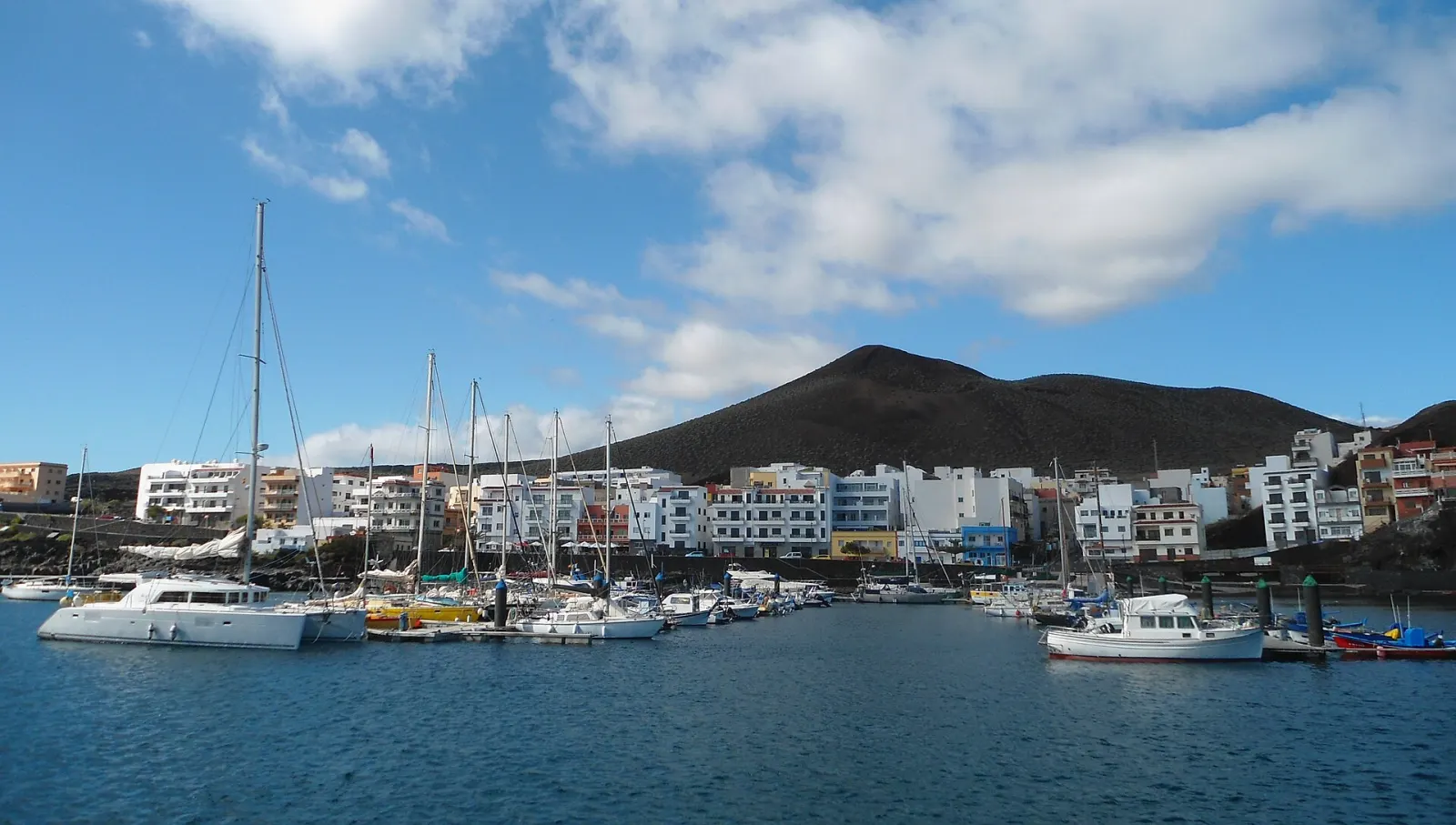
Surfing around Corralejo
Corralejo · Majanicho · Lobos (La Oliva), Fuerteventura 2–3 h session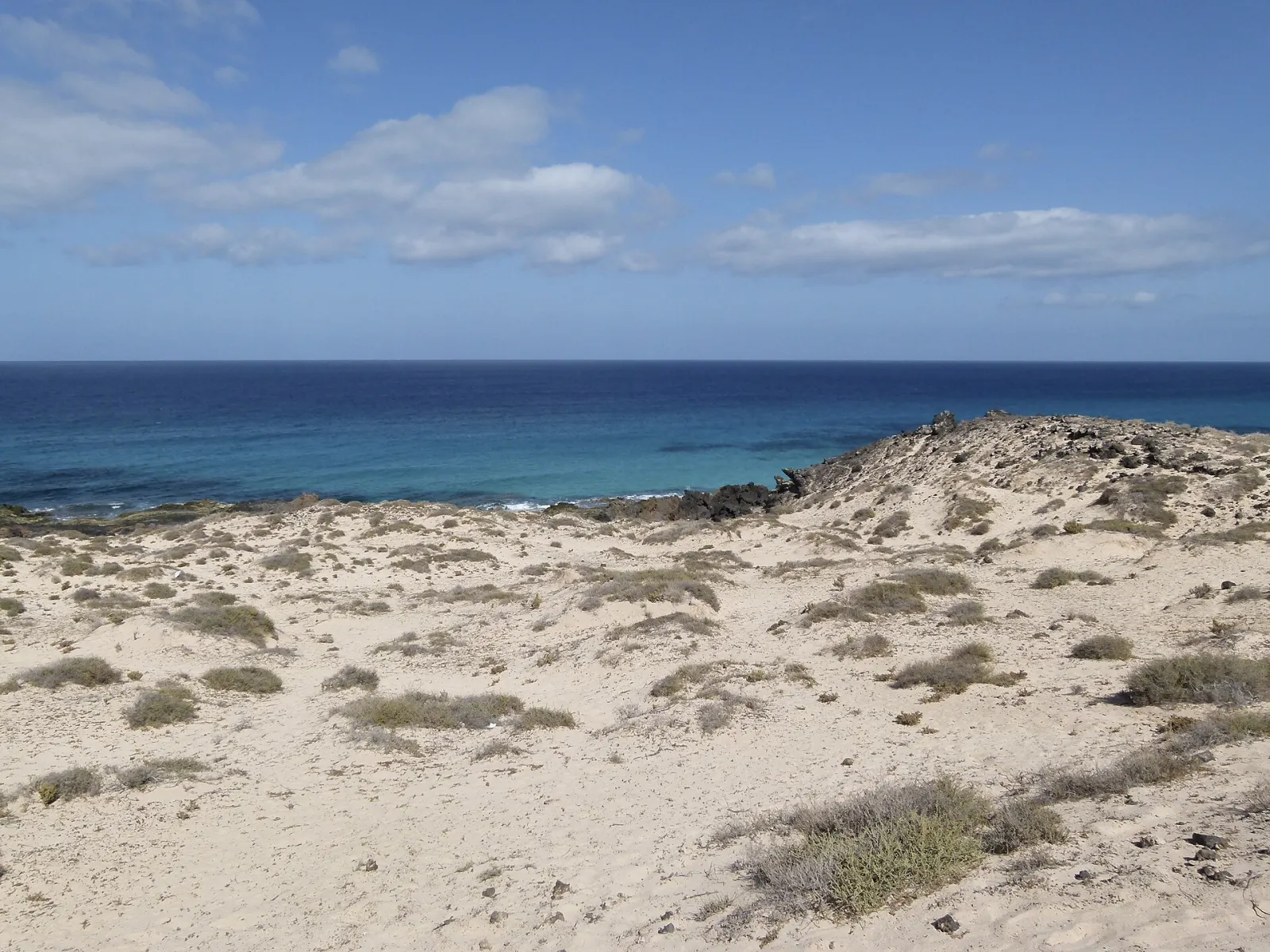
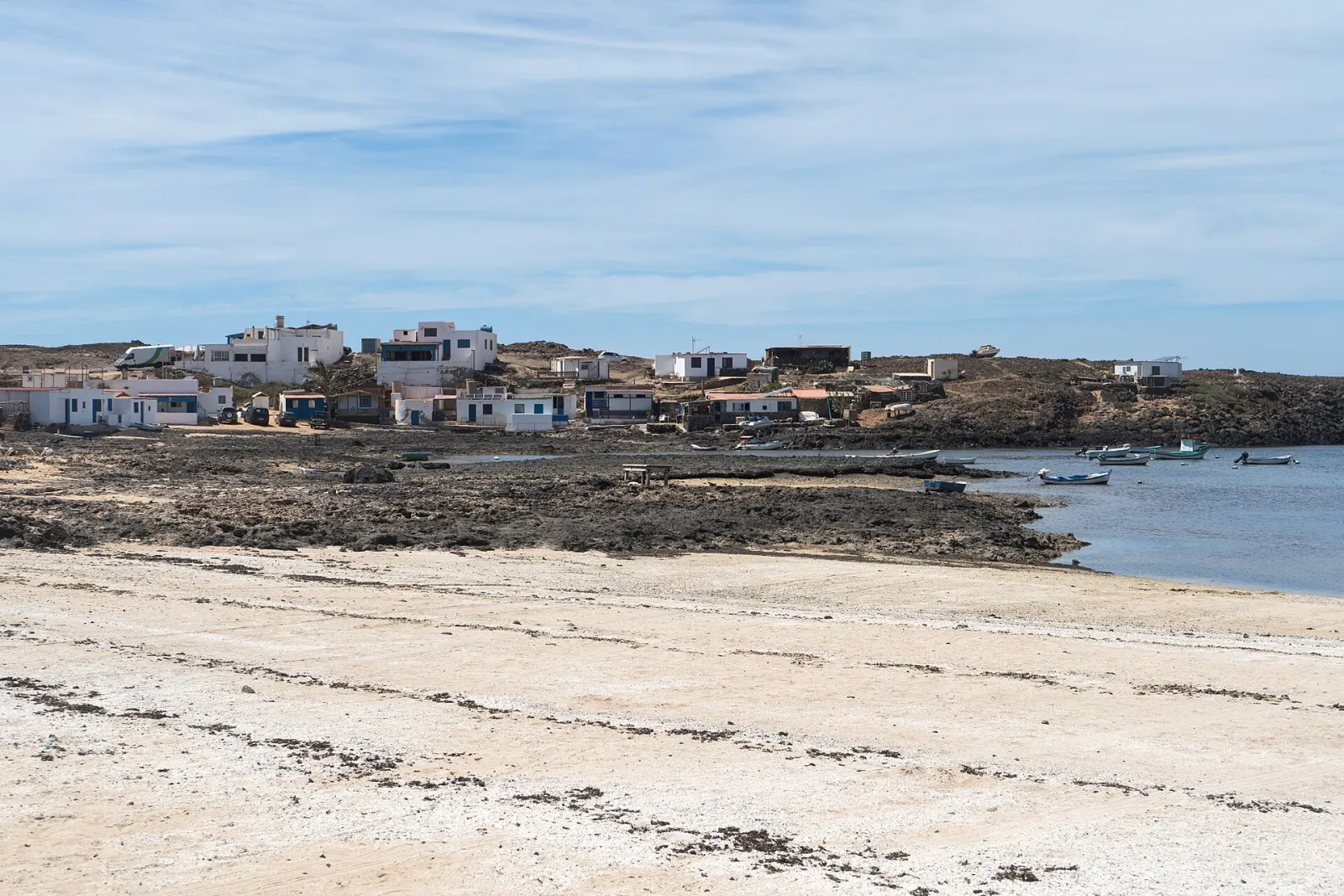
Corralejo, at Fuerteventura's northern tip, is the base for some of the island's best-known breaks: El Burro for summer and progression, the reef waves of El Hierro and Majanicho, and the 300–500 m right-hander off Lobos islet.
Surfing around Corralejo means choosing between very different waves within a short drive or boat ride of the town at the northern tip of Fuerteventura. The official island tourism site says experienced surfers find the best Atlantic waves from October to April, while summer is ideal for learning and improving — and that Fuerteventura is one of the Canary Islands that protects its waves, with 48 spots covered. The right spot depends on your level, the tide and the season.
Which Corralejo surf spots suit which level?
| Spot | Level | Best season | Notes |
|---|---|---|---|
| El Burro | Beginners with some experience | Summer (also winter with S–W winds) | Main wave is a left; best at low tide |
| El Moro (Corralejo Natural Park) | All levels | All year | Inside the protected dunes |
| El Hierro (by Majanicho) | Experienced | September–May, around high tide | Fast, hollow left and shorter right over reef |
| Majanicho ("The Bubble") | Experienced only | Autumn | Short, powerful right on reef, low to mid tide |
| La Derecha de Lobos | Mixed sections; remote | October–March | 300–500 m right-hander on Lobos islet |
Sources: Visit Fuerteventura and Hello Canary Islands, the official tourism sites.
Where can beginners surf near Corralejo?
El Burro, a few kilometres from Corralejo on the north-east coast, is described by the official site as the island's most reliable spot in summer, when the regular north-easterly trade winds blow; Hello Canary Islands adds that Lobos shelters it from those winds. It is a long sandy beach with volcanic rock and easy roadside parking. The main wave is a left, the right is much shorter, and it works best at low tide. It suits people starting out, but riding the break itself needs a little experience — and on big days, keep clear of the volcanic reef. El Moro, inside the Corralejo dunes, is listed as suitable for all levels. Complete beginners are better off with a qualified surf school than learning alone on reef.
What about the reef breaks?
El Hierro, next to Majanicho beach on the north coast, is called the island's most famous surf spot. It has two peaks breaking over a volcanic reef several metres below: a fast, hollow and powerful left, and a shorter right that also barrels. It is at its best from September to May, around high tide, with winds from the east to south-west and swell from north to west. Access is by dirt tracks from Corralejo or El Cotillo, or by the tarmac road from Majanicho to Lajares. Reef boots are recommended. Nearby Majanicho, nicknamed "The Bubble", is a short, explosive right for experienced surfers only, at low to mid tide.
How do you surf Lobos?
The Derecha de Lobos, on the south-west coast of Lobos islet north of Corralejo, is described by Visit Fuerteventura as the longest wave in the Canary Islands, at 300–500 m. Getting there means a boat from Corralejo and then about an hour's walk round the Montaña Caldera volcano. Conditions are most likely October–March, with winds from south to east, swell from west to north, and waves of 1–4 m. You enter from a jetty or over volcanic reef — always in boots. It is a long way from help, so go with others.
What do visitors commonly misjudge?
- Reef. Several spots break over shallow volcanic rock; boots and local advice matter more than board choice.
- Season. Winter swells make the north shore powerful; summer is flatter there, and El Burro becomes the reliable option.
- Wind. Fuerteventura is a windsurf and kitesurf island too; strong trade winds can blow some spots out by midday.
On land, combine a session with a walk in the Corralejo dunes. For the wild west-coast beaches, see Cofete, or read more about Fuerteventura.
Know before you go
- Wear reef boots. El Hierro, Majanicho and Lobos break over volcanic reef; the official site recommends boots.
- Learn at El Burro in summer. It is the island's most reliable summer spot, best at low tide; keep away from the reef on big days.
- Never surf Lobos alone. It needs a boat from Corralejo and about an hour's walk; help is far away.
- Watch the tide. El Burro works best at low tide, El Hierro around high tide; check a tide table before driving out.
More things to do
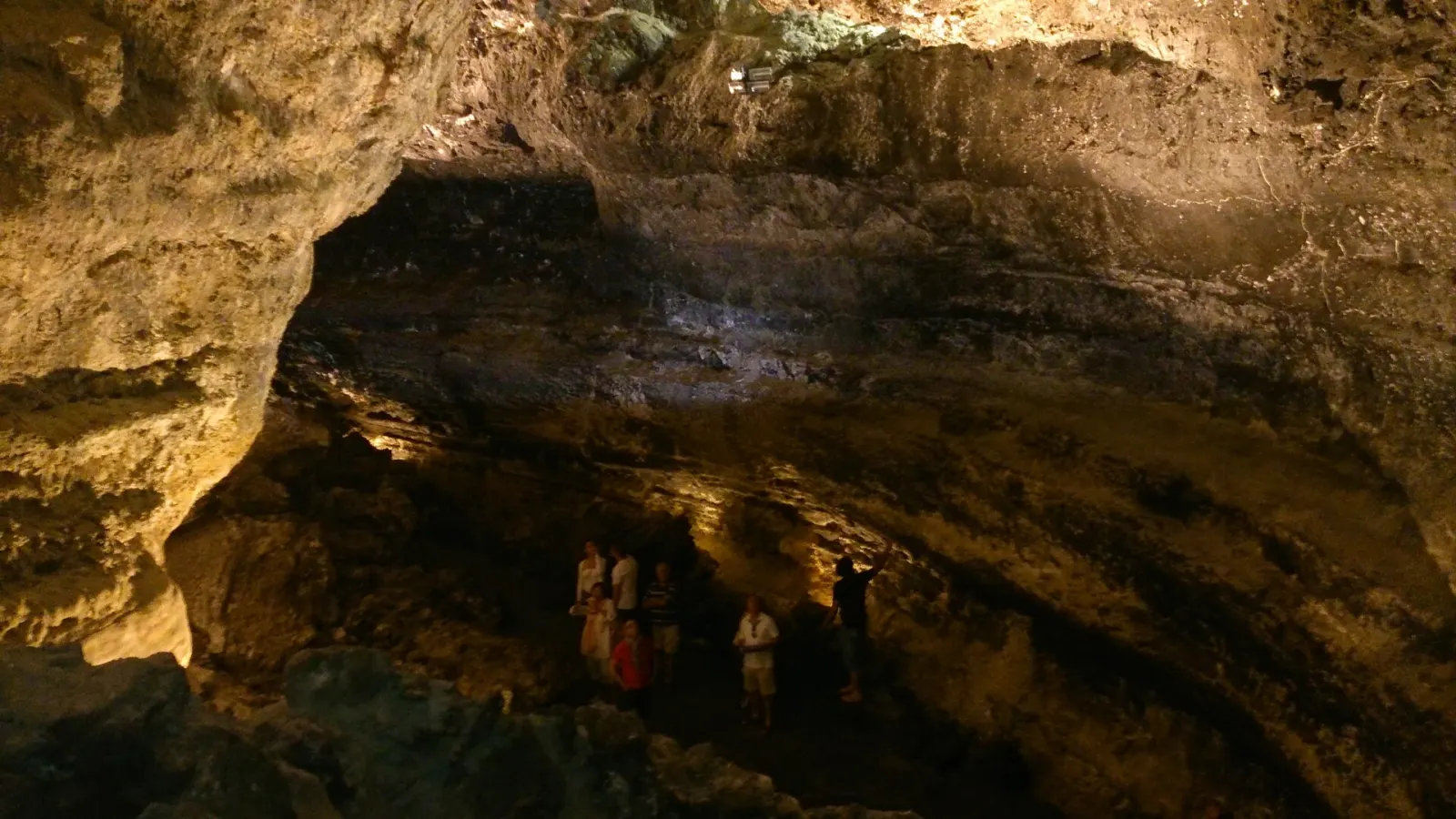
Cueva de los Verdes
Malpaís de la Corona · Haría (Arrieta–Órzola road) · Lanzarote About 50 min
Garajonay laurel forest walks
Garajonay National Park · Contadero · Raso de la Bruma · La Gomera 40 min to 7 h depending on route